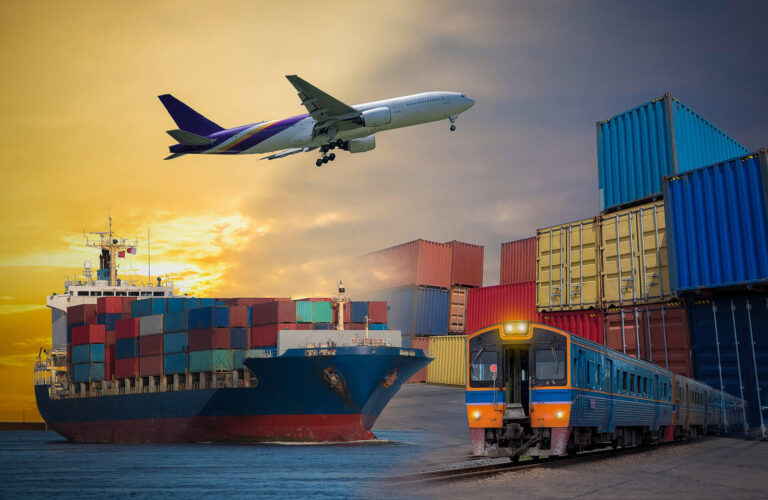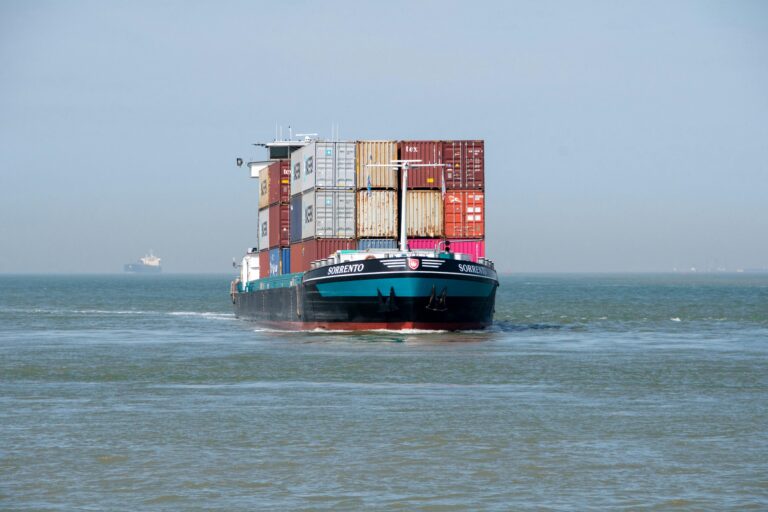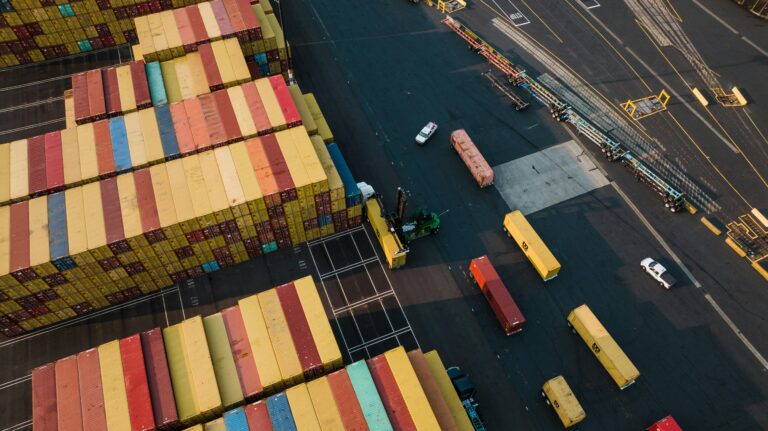
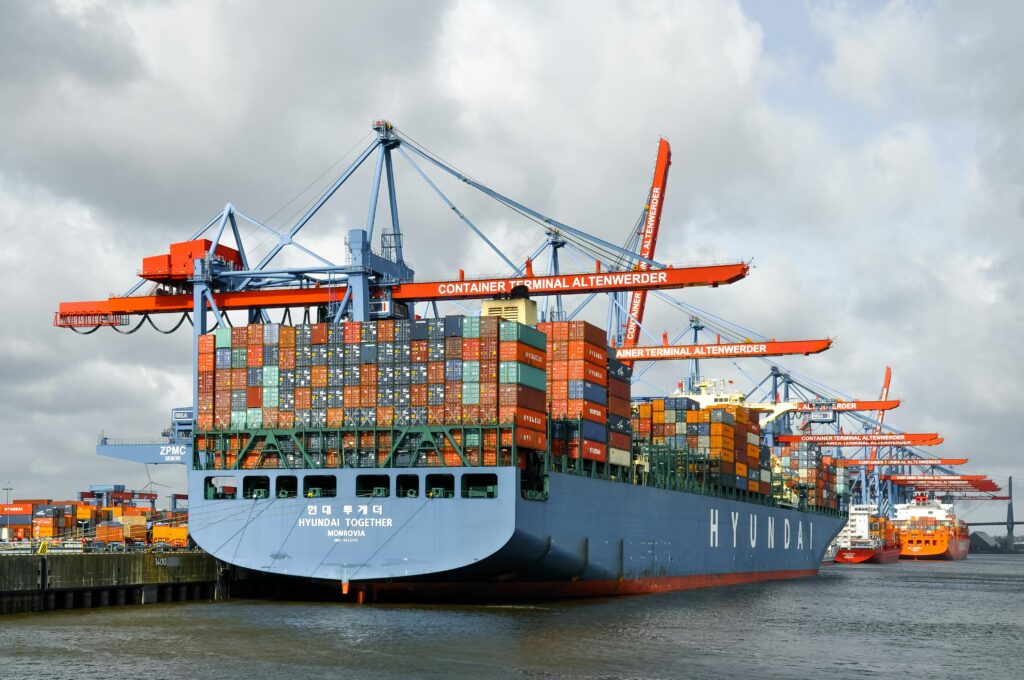
International shipping is an important part of global trade. Businesses move goods across countries for selling, production, distribution, and customer delivery. However, before cargo can enter or leave a country, it must go through customs clearance.
Customs clearance is one of the most important steps in the shipping process. It helps ensure that goods follow the required rules, documents are properly prepared, and duties or taxes are handled correctly. Without proper customs clearance, shipments can face delays, extra costs, or even rejection at the border.
What Is Customs Clearance?
Customs clearance is the process of getting approval from customs authorities for goods to enter or leave a country. This process usually includes checking shipment details, reviewing documents, confirming duties or taxes, and making sure the cargo meets import or export regulations.
For businesses, customs clearance can feel complicated because each shipment may require different information depending on the cargo type, destination, value, and shipping method. That is why proper support is important.
Why Customs Clearance Matters
Customs clearance helps keep international shipping legal, organized, and transparent. Every country has rules for what can be imported or exported. These rules protect the economy, public safety, trade systems, and local regulations.
When customs clearance is handled correctly, cargo can move smoothly through ports, airports, and borders. When it is not handled properly, shipments may be delayed, inspected, or held until the issue is resolved.
Proper Documentation Prevents Delays
One of the biggest reasons customs clearance is important is documentation. International shipments usually need documents such as commercial invoices, packing lists, shipping details, permits, and cargo descriptions.
If any document is missing or incorrect, customs may delay the shipment. Even a small mistake in cargo value, product description, or shipment details can create problems.
Proper documentation helps customs officers understand what is being shipped, where it is going, and whether it meets the required rules. This makes the clearance process faster and more efficient.
Helps Avoid Extra Costs
Customs delays can lead to extra costs for businesses. These may include storage charges, demurrage fees, additional handling costs, or penalties for incorrect information.
When customs clearance is managed properly from the beginning, businesses can avoid many unnecessary expenses. Accurate paperwork, correct cargo details, and proper duty handling help reduce the risk of unexpected charges.
For businesses that ship regularly, this can make a big difference in overall logistics costs.
Supports Import and Export Compliance
Compliance is very important in international trade. Different countries have different rules for product classification, restricted goods, taxes, duties, and required approvals.
Customs clearance helps ensure that shipments follow these rules. This protects businesses from legal issues and helps maintain smooth trade operations.
A logistics partner with customs experience can guide businesses through the process and help ensure that shipments meet the required standards.
Keeps Cargo Movement Smooth
International shipping involves many steps, including pickup, freight movement, port handling, customs checks, and final delivery. If customs clearance is delayed, the entire shipment timeline can be affected.
Smooth customs clearance helps cargo continue moving without unnecessary interruption. This is especially important for businesses with time-sensitive goods, customer deadlines, or production schedules.
When clearance is handled efficiently, businesses can plan deliveries with more confidence.
Reduces Risk of Shipment Holds
Customs authorities may hold cargo if they need more information, find document errors, or require further inspection. A shipment hold can cause delays and create pressure for both the sender and receiver.
Proper customs preparation reduces this risk. When shipment details are accurate and documents are complete, the chances of clearance issues become lower.
This helps businesses avoid stress and maintain better control over their supply chain.
Why Businesses Need Customs Support
Many businesses do not have the time or experience to manage customs requirements on their own. Customs procedures can change, and requirements may vary depending on the cargo and destination.
Working with a logistics partner can make the process easier. The right support helps businesses prepare documents, understand requirements, and coordinate clearance with the correct authorities.
This allows businesses to focus on their operations while the logistics process is managed professionally.
Conclusion
Customs clearance is a key part of international shipping. It ensures that goods move legally, documents are correct, duties are handled, and cargo can pass through borders smoothly.
For businesses involved in import and export, proper customs clearance support helps reduce delays, avoid extra costs, and keep shipments moving with confidence. A reliable logistics partner can make this process easier, faster, and more organized.